Planning Your Dothan Bathroom Remodel: Where to Start
So, you're thinking about sprucing up that bathroom, huh? Maybe it's that avocado green tub from the 70s, or perhaps you just need more room and a better layout. Whatever the reason, planning is always the first step. And this is where you, the homeowner, can really get a head start before anyone even picks up a hammer.
First off, figure out what you actually want. Grab some magazines, scroll through Pinterest, or just take a look around your friends' houses. What catches your eye? What really grinds your gears? Think about your daily routine. Do you need a double vanity? A walk-in shower? More storage for all those bottles and potions? This isn't just about how it looks; it's about making the space truly work for you.
Next, let's talk budget. Be realistic here. A full gut job will definitely cost more than just swapping out a vanity and toilet. Once you've got a rough idea of what you're aiming for, you can start separating the DIY tasks from the "call a pro" jobs. Things like painting, taking down old wallpaper, or even removing a mirror are usually pretty safe bets for a DIY project. You can even demo some smaller, non-load-bearing bits if you're careful and know what you're doing. Just make absolutely sure you're not messing with any plumbing or electrical lines you don't understand.
For anything involving moving walls, relocating plumbing, or major electrical work, you'll definitely want a licensed professional. Trust me on this one: trying to reroute a drain line yourself can turn into a nightmare faster than you can say 'water damage,' especially with Dothan's red clay soil making exterior pipe work a real pain if you're not set up for it. We've seen it all, and honestly, it's almost always cheaper to hire us at Dothan Bathroom Remodel to do it right the first time than to fix a DIY gone wrong.
During the Remodel: What You Can Tackle
Okay, the planning's done, and maybe you've got us or another reputable contractor lined up for the big stuff. What can you still do to help move things along and maybe save a few bucks?
If you're comfortable with it, you can handle a lot of the "finishing" work. Once the major installations like new tile, the shower, or cabinet placement are complete, you can often take over. Painting is a classic DIY job, right? Just make sure you prep the surfaces properly – clean them well, tape off edges, and use a good primer, especially in a humid bathroom. Installing new towel racks, toilet paper holders, or even putting together flat-pack furniture for storage are all things you can do yourself.
Another thing you can do is manage the materials. If you're buying your own fixtures, tile, or paint, you can be the one to pick them up and have them ready for the crew. This really helps keep the project on schedule. Just make sure everything is on site when it's needed; delays, after all, cost money.
What you absolutely shouldn't mess with during the actual construction phase, unless you're a licensed tradesperson yourself, is anything structural, electrical, or plumbing-related. Don't try to "help" by moving a pipe or re-wiring an outlet. That's our job, and there's a good reason for it. Safety is key, and we have codes we must follow to make sure everything is up to snuff. We're not just about making things look good; we're about making them safe and functional for years to come.
After the Dust Settles: Maintaining Your New Bathroom
Alright, the remodel's done! You've got a beautiful new bathroom. Now what? This is another area where you can really shine and protect your investment.
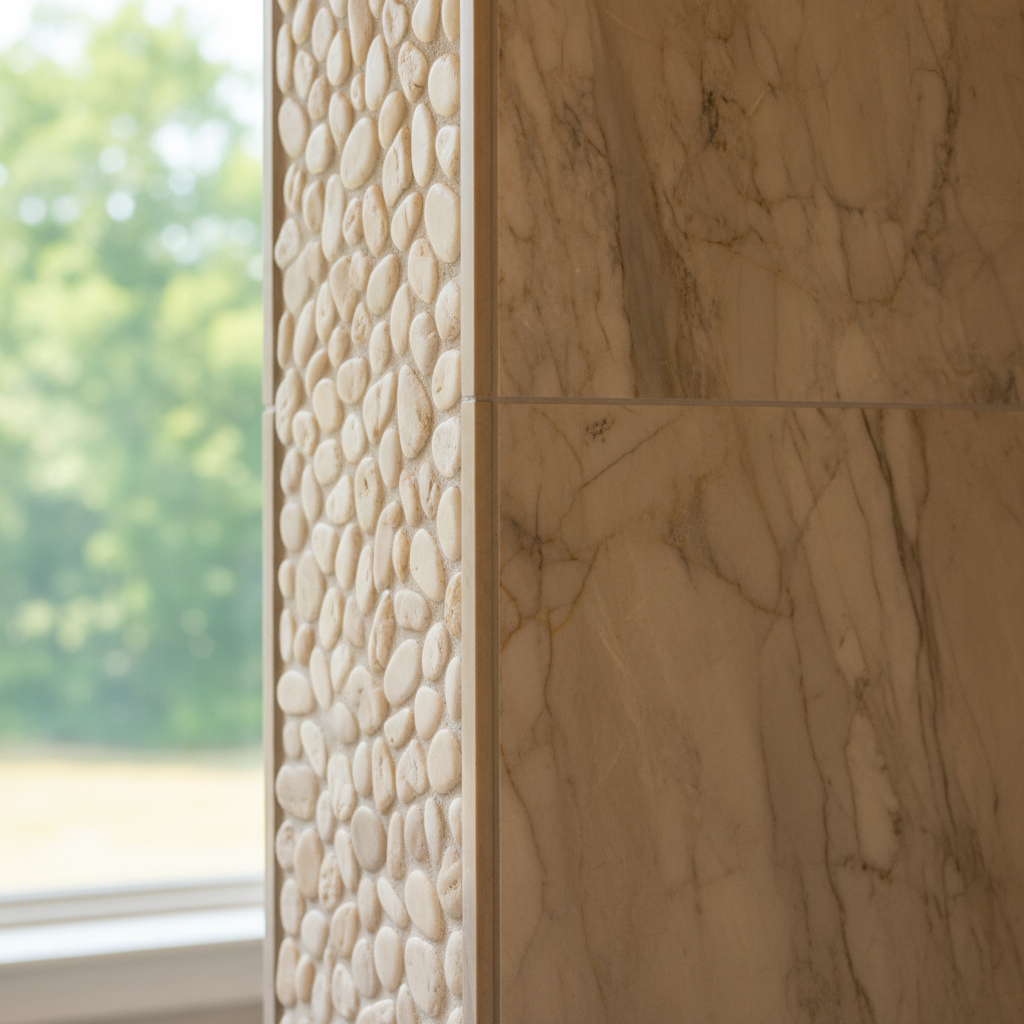
Regular cleaning is obvious, but think about the specifics of your new materials. If you've got natural stone, you'll need to seal it every so often. If you've got a new shower door, a squeegee after every use will prevent hard water stains, which are a real nuisance with our Dothan water. Seriously, read the care instructions for your new fixtures and finishes. They're there for a reason.
Keep an eye out for any small issues that pop up. A leaky faucet, a loose handle, or a bit of caulk that's starting to pull away – these are all things you can usually fix yourself with a basic toolkit and a trip to the hardware store. Addressing small problems quickly prevents them from becoming big, expensive ones down the road. You don't want a tiny drip turning into a rotten cabinet base because you ignored it, do you?
If you notice anything major – persistent leaks, electrical issues, or anything that seems structurally off – don't hesitate to call us. We stand by our work, and if it's something we installed, we'll make it right. Even if it's something unrelated, we can often diagnose the problem or point you to someone who can help. Your bathroom is an investment, and a little proactive care goes a long way in keeping it looking great and functioning perfectly for years to come.